The Rise of the Pivot Door Redefining Modern Entrances


The Rise of the Pivot Door: Redefining Modern Entrances

In the world of modern architecture and interior design, the pivot door has quickly gained recognition as a stylish and functional alternative to traditional hinged doors. Known for their striking appearance, pivot doors are not only visually impressive but also offer practical advantages that make them a preferred choice for homeowners, architects, and designers alike.
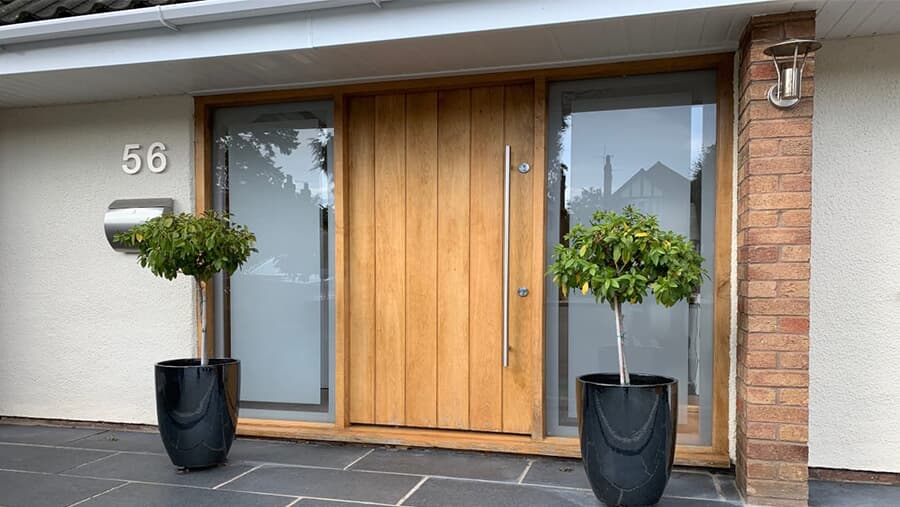
Wooden door panel entry pivot door

What Is a Pivot Door?

A pivot door operates on a unique hinge system that is mounted at the top and bottom of the door, allowing it to pivot smoothly on a vertical axis. Unlike conventional doors that are fixed with side hinges, a pivot door swings open with a seamless motion, creating a sleek and innovative entrance solution. This design allows for the creation of larger and wider doors, making a bold architectural statement while maintaining easy functionality.
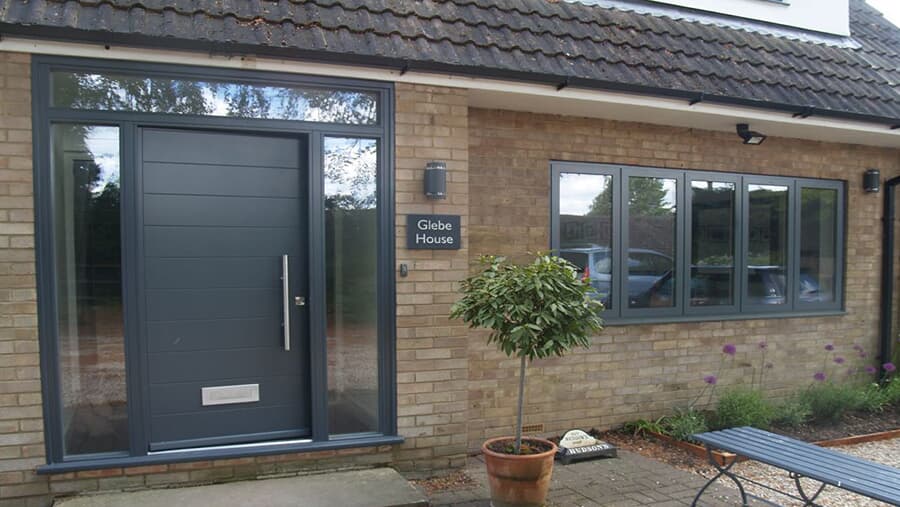
Black entry pivot door with sidelights

The Benefits of Pivot Doors

One of the primary advantages of a modern pivot door is its ability to combine aesthetics with performance. Here are some key benefits:


Contemporary Design – With clean lines and minimalist framing, pivot doors complement modern and minimalist interiors.
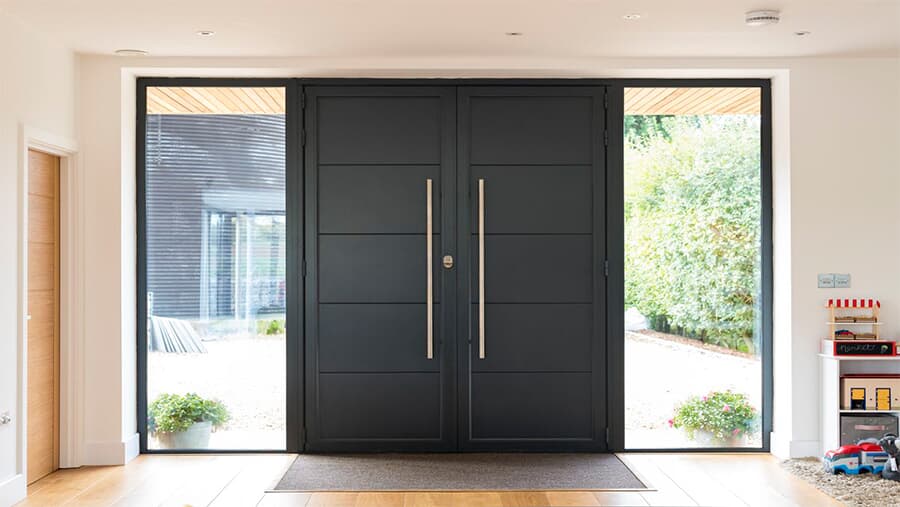

Black entry pivot door with sidelights

Larger Openings – Pivot systems support oversized door panels, offering wider entrances and enhancing the feeling of open space.
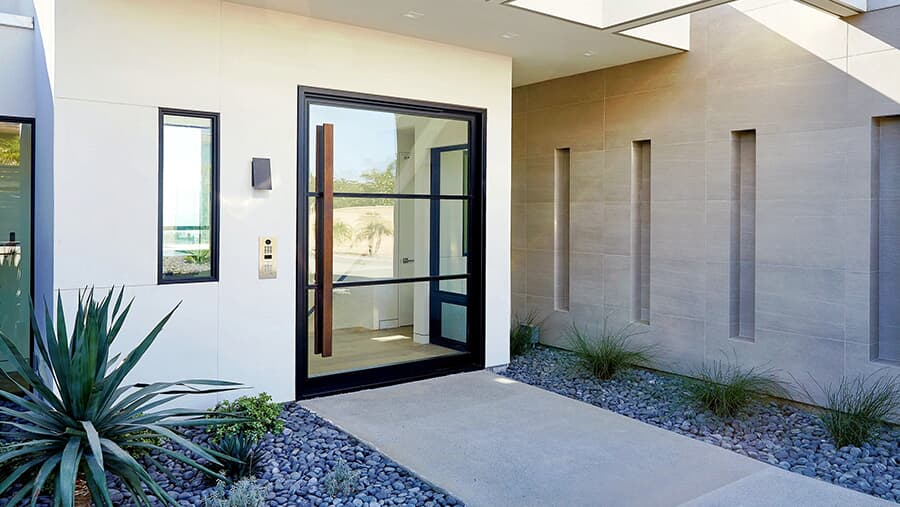

Glass pivot front door

Smooth Operation – The pivot hinge ensures effortless opening and closing, even with heavy panels.


Versatility – Available in various materials such as aluminum, glass, and wood, pivot doors can be customized to fit diverse architectural styles.


The Scientific Link Between Comfortable Seating and Focus at Work

We all know that a comfortable office chair makes long workdays bearable, but its impact goes far beyond physical ease—there is a well-documented scientific connection between supportive seating and sustained focus.
 
 
When you sit in a poorly designed chair, your body is forced into awkward postures: slouched shoulders, curved spine, or uneven pressure on your hips. These misalignments trigger muscle fatigue and discomfort signals that constantly travel to your brain. Over time, this creates a state of low-level distraction; your cognitive resources are split between work tasks and relieving physical tension, leading to shorter attention spans and more frequent mental lapses.
 
 
A high-quality ergonomic office chair solves this by addressing the root cause. Features like lumbar support maintain the natural curve of your spine, adjustable seat height ensures proper hip-knee alignment, and breathable upholstery prevents overheating. When your body is fully supported, there are no nagging discomfort signals competing for your brain’s attention. This allows your prefrontal cortex—the area responsible for focus, decision-making, and problem-solving—to operate at full capacity.
 
 
Studies in ergonomics confirm this relationship: workers using ergonomic chairs report 20–30% fewer instances of mind wandering during tasks, and show higher scores on sustained attention tests compared to those using standard seating.
 
 
In short, a comfortable office chair isn’t a luxury—it’s a productivity tool. By eliminating physical distractions, it clears the way for deep, uninterrupted focus that drives better work outcomes.